Introduction
Mastering car seat cigarette burn repair kit selection, such as evaluating professional automotive interior restoration pricing ranging from $15 to $40 for standard DIY fabric and leather repair kits to $120 to $250 for mobile interior specialists and $350 to $800+ for professional upholstery shop panel replacements across the United States, combines targeted cabin restoration with smart household budgeting. Navigating DIY versus professional interior repair choices, such as balancing proper color-matching compound mixing techniques and fabric fiber-matching methods against unbudgeted patchy discoloration or adhesive failure risks, ensures you protect your personal finances from expensive seat replacements while achieving a seamless finish.
Whether you are reviewing leather grain-stamping pads versus velour powder mixing workflows, proper surface cleaning standards, or following structured itemized repair roadmaps, understanding expert interior restoration technician standards allows you to execute an informed operational strategy that keeps your vehicle’s cabin looking pristine on U.S. roadways while preserving its overall market resale value.
Key Factors When Evaluating Burn Damage
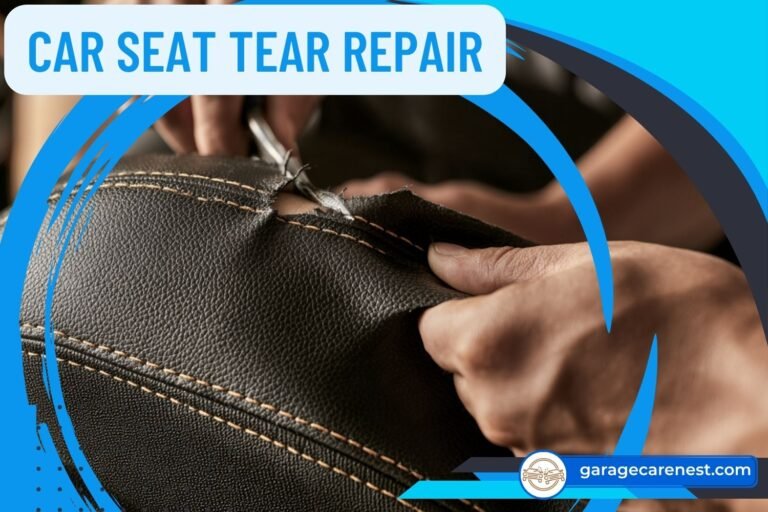
Before purchasing a repair kit, inspecting the specific type of upholstery damage ensures you select the correct product. Sticking strictly to structured car seat cigarette burn repair kit guidelines safeguards your investment and protects precision interior components.
Cloth Seat Burn Holes: Hard, melted synthetic fibers surrounded by a dark, frayed crater in cloth, velour, or tweed seating.
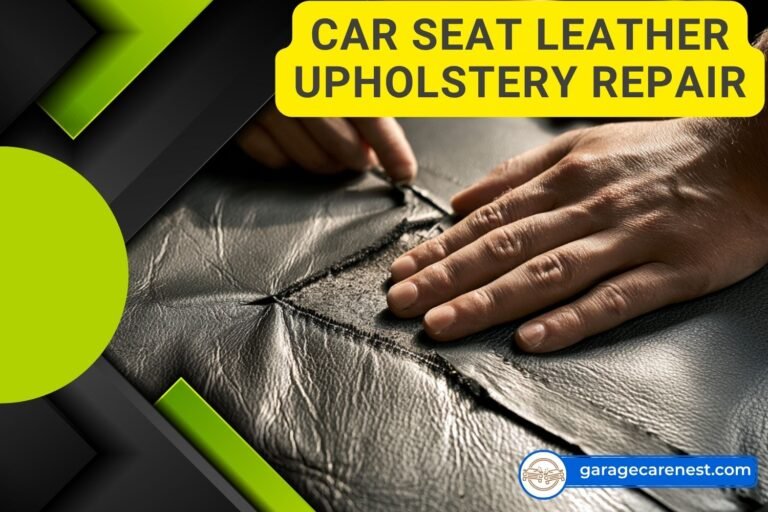
Leather & Vinyl Scorch Marks: Melted vinyl edges or hardened, cracked leather with a charred center surrounded by a puckered ring.
Deep Foam Degradation: Deep craters reaching into the underlying foam cushion padding beneath the surface burn.
Financial Planning: Expected Price Ranges and Value Metrics
U.S. pricing varies based on whether you use a DIY repair kit or hire professional upholstery technicians. Comparing different service delivery methods helps you choose options that fit both your budget and your vehicle preservation goals.
1. DIY Fabric or Leather Repair Kit ($15 – $40): Comprehensive packages containing adhesives, patches, fillers, and color compounds for a 45- to 90-minute fix.
2. Mobile Interior Restoration Specialist ($120 – $250): On-site professional upholstery technicians restoring cabin burns in 1 to 2 hours.
3. Professional Upholstery Shop ($350 – $800+): Full panel or seat cover replacement taking 1 to 2 days.
4. All-in-One Professional Interior Kit ($35 – $65): Comprehensive kits covering cloth, velour, leather, and vinyl surfaces for versatile repairs.
Safety Assessment & Burn Repair Risks
Evaluating financial security and chemical safety when handling car seat cigarette burn repair kit assessments involves understanding what limits interior restorations and avoiding deferred maintenance risks
Monitor: Purely cosmetic cigarette burns on seat cushions, backrests, or headrests with no mechanical or structural risk.
Service Soon: Burns located near side bolster airbags or seat heater wiring that may have melted protective insulation.
Urgent Repair: Deep burns exposing internal SRS airbag sensors or electrical harness wiring.
Stop Immediately / Safety Hazard: Unrepaired burn holes in fabric or leather seats widen rapidly under normal passenger weight, turning a $20 kit fix into a costly panel replacement.
Adhering to strict safety standards and maintaining secure financial planning practices prevents unexpected component failures and protects drivers across every U.S. community.
Material and Build Quality Comparison Guide
Kit types, contents, purposes, and estimated U.S. prices are outlined in the structured matrix below.
| Kit Type & Contents | Purpose & Compatibility | Estimated U.S. Price & Scope |
| Fabric Repair Kit (Fuzz & Adhesive) | Contains backing patch, textile adhesive, and color-matched fuzz fibers for cloth seats | $15 – $30. |
| Leather & Vinyl Repair Kit | Includes multi-color filler compounds, grain transfer paper, and heat cure tool | $20 – $40. |
| All-in-One Professional Interior Kit | Comprehensive kit covering cloth, velour, leather, and vinyl surfaces | $35 – $65. |
| Razor Blade / Hobby Knife | Trims away charred, melted edges cleanly | Included in Kit. |
Simple Step-by-Step Installation Safety Rules
When using chemical adhesives, heat transfer irons, and razor blades from a repair kit, maintain safe practices by always working in a well-ventilated cabin or garage to avoid inhaling adhesive fumes. Handle hobby knives and razor blades with care to avoid cutting seat foam or healthy upholstery threads. Exercise caution when using heat transfer tools on synthetic leather to prevent melting surrounding vinyl. Always consult your official handbook for exact manufacturer specifications.
1. Preparation, Documentation & Workspace Safety
Consult Official Manufacturer Specifications: Always consult your official vehicle handbook or interior trim guide to confirm material specifications, vinyl types, and manufacturer recommendations for your specific cabin trim.
Establish a Well-Ventilated Workspace: Position your vehicle in a well-ventilated garage with doors open or outdoors in a shaded area to ensure continuous airflow and prevent the accumulation of hazardous chemical adhesive fumes.
Inspect and Clean the Repair Area: Vacuum away loose debris, wipe down the damaged upholstery section with a mild interior cleaner, and ensure the surface is completely dry before beginning any repair work.
2. Safe Tool Handling & Upholstery Repair Execution
Handle Razor Blades and Hobby Knives with Care: Exercise extreme caution when using razor blades and hobby knives from your repair kit to trim frayed edges or damaged fibers, keeping the blade flat and away from your fingers to avoid cutting healthy upholstery threads, stitching, or surrounding seat foam.
Apply Chemical Adhesives Safely: Use repair kit adhesives sparingly in well-ventilated conditions, wearing nitrile gloves to keep resins off your skin and avoiding contact with unmanaged cabin surfaces.
Exercise Caution with Heat Transfer Tools: Exercise precise temperature control when using heat transfer irons on synthetic leather, vinyl, or plastic trim to prevent melting, warping, or scorching the surrounding healthy upholstery.
Verification: Double-check that your heating iron is set to the correct recommended temperature and test it on a hidden area or scrap piece before applying heat to the repair grain pad.
3. Cleanup, Record-Keeping & Final Verification
Manage Chemical Waste Safely: Allow used razor blades, applicator tools, and chemical containers to cool and dry completely before storing them securely or disposing of them according to local guidelines.
Organize Maintenance Records: Keep itemized receipts and product notes from your interior repair kit neatly filed in your vehicle binder or digital log to track your cabin maintenance history.
Perform a Final Inspection: Remove all tools, rags, and repair supplies from the cabin, let the adhesive and thermal patch cure fully, and inspect the repaired upholstery under natural light to verify a secure, smooth finish.
Essential Tools Required for Financial and Maintenance Tracking
Proper maintenance tracking and financial scheduling require basic planning tools, personal protective equipment, and basic digital tools. Essential tools for managing car seat cigarette burn repair kit projects include fabric backing patches, textile adhesives, color-matched fuzz fibers, leather filler compounds, grain transfer paper, heat cure tools, digital tracking apps, smartphone calendars, spreadsheet templates, vehicle owner’s manuals, physical service binders, and safety glasses.
Service Duration Planning: How Long Does It Take for Servicing?
For U.S. vehicle owners balancing busy daily commitments, knowing how long service appointments take is critical for planning schedules. Whether you are performing DIY upholstery patching or hiring mobile specialists, turnaround times vary widely based on the specific repair task and mechanical complexity. DIY fabric or leather repair kits take 45 to 90 minutes, mobile interior restoration specialists take 1 to 2 hours, and professional upholstery shop panel replacements require 1 to 2 days. Understanding these timeframes helps owners manage expectations and ensure routine servicing receives proper attention.
Not all maintenance and planning tasks are created equal. While DIY patch kits are streamlined for rapid execution, full upholstery panel replacements require extensive seating disassembly.
1. DIY Kit Application (45 to 90 Minutes): Trimming charred edges, inserting backing patches, filling craters, and heat-curing compounds.
2. Mobile Specialist Restoration (1 to 2 Hours): On-site professional color matching and thermal texturing by specialized technicians.
3. Professional Upholstery Shop (1 to 2 Days): Complete seat cover removal, stitching, and full panel replacement.
Service Duration Matrix
Review typical repair options, estimated U.S. costs, and time commitments across interior restoration services.
| Repair Option | Estimated U.S. Cost | Time Commitment & Scope |
| DIY Fabric or Leather Repair Kit | $15 – $40 | 45 – 90 minutes. |
| Mobile Interior Restoration Specialist | $120 – $250 | 1 – 2 hours. |
| Professional Upholstery Shop (Panel Replacement) | $350 – $800+ | 1 – 2 days. |
Price Versus Long-Term Value Breakdown
Reviewing average cost tiers across essential auto interior maintenance categories assists owners in allocating budgets effectively for maximum return. Comparing different service delivery methods helps you choose options that fit both your budget and your vehicle preservation goals.
| Quality Level / Budget | Recommended Interval | Primary Benefit & Cost Scope |
| Southwest Sun & Cabin Heat (Sunbelt States) | Seasonally | Combats extreme summer heat in Sunbelt states that can weaken kit adhesives if vehicles are parked directly in scorching sunlight during the 24-hour curing phase (Preventive Upkeep). |
| Coastal Humidity Bonding Maintenance | Ongoing | Requires moisture-resistant bonding agents so patches do not lift over time in high humidity coastal regions. |
| Cold Northern Winter Curing | During winter months | Manages sub-zero winter temperatures that can make leather filler compounds brittle if cured in freezing unheated garages. |
Master Maintenance Schedule for Cabin Upkeep
Following a time and usage-based schedule ensures that no critical car seat maintenance item is overlooked
Minor Routine Check (Monthly): Inspect interior seating monthly for early signs of wear, fabric fraying, or accidental burns.
Intermediate Maintenance (Every 3 to 6 Months): Condition leather seats every 3 to 6 months with quality leather balm to maintain suppleness and heat resilience.
Annual Comprehensive Overhaul (Bi-weekly): Vacuum upholstery regularly to remove ash, dirt, and debris that accumulate over time.
General Maintenance Inspection & Servicing Matrix
Review the master service matrix detailing component inspection tasks, frequencies, and action triggers:
| Maintenance Category | Average Duration | Personal Maintenance Tasks Included |
| Interior Upholstery Restoration | 15 Minutes | Providing specialized adhesives, fillers, and color compounds to make cigarette burns virtually disappear from seating. |
| Burn Inspection & Trimming | 20 Minutes | Inspecting specific types of upholstery damage and trimming away charred, melted edges cleanly with razor blades. |
| Warranty Compliance | 15 Minutes | Maintaining factory warranty rights under the U.S. Magnuson-Moss Warranty Act through documented routine upkeep. |
Frequently Asked Questions
- Do car seat cigarette burn repair kits actually work?
Yes, for cloth seats, fiber-patching kits can hide burns by 80-95%, while for leather seats, specialized filler compounds and grain transfer tools make burns virtually invisible when color-matched correctly. - How much does a car seat cigarette burn repair kit cost in the U.S.?
Standard DIY fabric or leather repair kits range from $15 to $40 online and at major U.S. auto parts stores like AutoZone, Advance Auto Parts, and O’Reilly. - Can I use a leather repair kit on cloth seats?
No, leather repair kits contain rigid plasticized fillers that ruin the soft texture of cloth and velvet seats, requiring dedicated fabric textile kits. - Where do I get matching fuzz for cloth seat repair kits?
You can carefully snip hidden threads or fuzz from underneath the car seat or behind the seat skirt where it won’t affect appearance. - How long do repair kit patches take to dry and cure?
Most kit adhesives and leather fillers require 24 hours of undisturbed curing time to achieve maximum bond strength and durability. - Will car insurance cover upholstery repair kits or shop costs?
Comprehensive insurance covers cabin damage from vandalism or accidental fires, but repair expenses typically fall below standard deductibles ($500–$1,000). - Does an unrepaired burn hurt car resale value?
Yes, interior burn holes signal poor vehicle maintenance and can reduce trade-in or private party resale values by $200 to $500. - Are professional upholstery specialists better than DIY kits?
DIY kits save money on small burns, but for luxury leather seats or leased vehicles requiring flawless factory matching, professional mobile specialists deliver superior results.
Final Takeaway
Investing in a car seat cigarette burn repair kit is a smart, budget-friendly way to restore your vehicle’s interior. To manage your interior repairs effectively today: trim away charred edges cleanly and let compounds cure undisturbed for 24 hours. Non-urgent cosmetic detailing and accessory upgrades can wait while you prioritize essential cabin upholstery restoration. Unrepaired burn holes in fabric or leather seats widen rapidly under normal passenger weight, turning a $20 kit fix into a costly panel replacement. Always consult your official handbook for exact manufacturer specifications. By investing in disciplined maintenance tracking and proper repair kit selection, you optimize your vehicle’s cabin finish longevity, making proper ongoing understanding of your car seat cigarette burn repair kit guidance your definitive final practical takeaway.